The World in 1200
By 1200, much of the world had recovered from the decline of the classical civilizations. In many regions, new states were emerging that were promoting trade and the transfer of ideas among regions:
• Africa, Europe, and Asia were connected through Indian Ocean trade, the Silk Roads, and trans-Saharan trade routes.
• The Byzantine Empire and various Islamic empires provided some stability in the region from Eastern Europe through the Middle East to South Asia.
• China and Dar al-Islam continued to be leading centers of learning and innovation.
• Western Europe and Japan had decentralized systems of government that featured powerful land-owning nobles.
• Africa largely remained stateless, except for some regions in West Africa and East Africa that were part of Dar al-Islam.
• Afro-Eurasia, America, and Oceania were developing in isolation from each other.
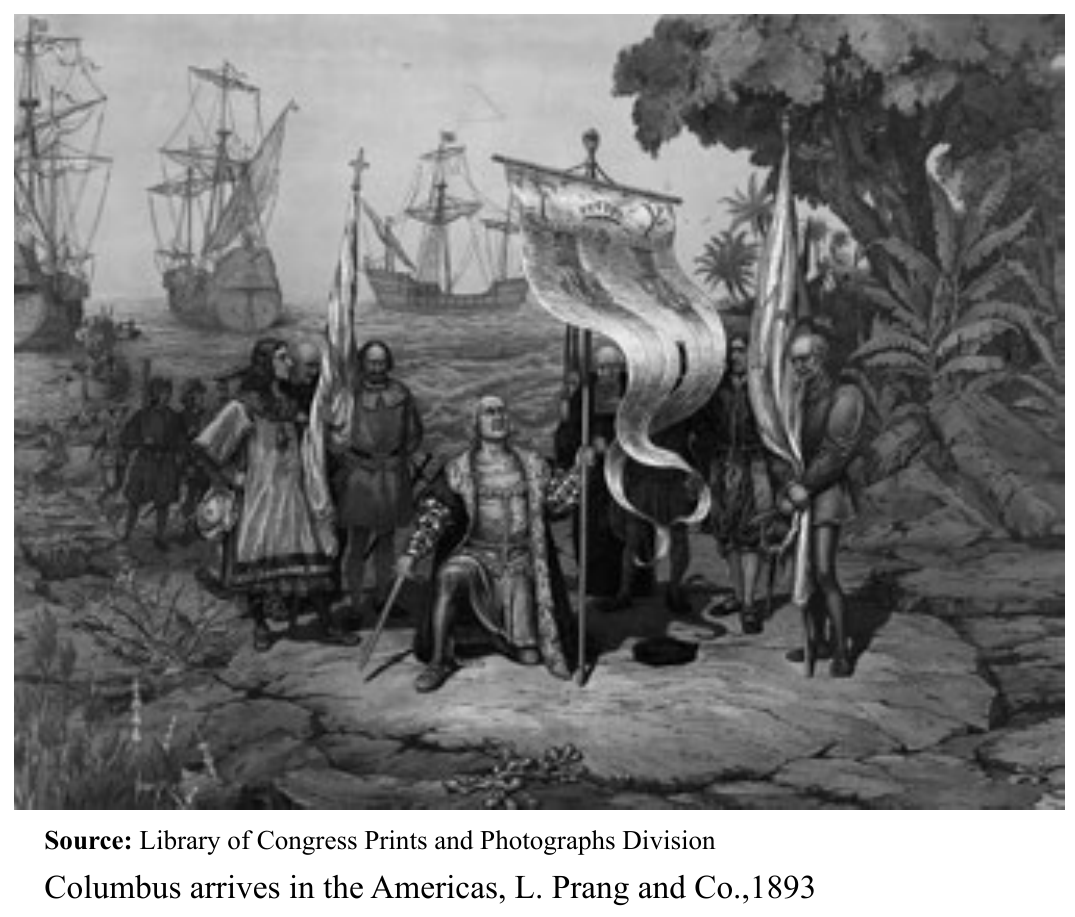
In 1200, people in Africa and Eurasia might have predicted that in the next three centuries, the regions of the world would remain on their paths. China would grow wealthier, Islamic states would become stronger, and Europe would continue to learn from other regions. However, few could have guessed that in the 13th century a little-known group of nomads from Central Asia would upend life in Eurasia. Then, in 1492, a voyage by a European would reshape the lives of people around the world.
REFLECT ON THE PROLOGUE
1. Comparison In what ways are Judaism, Islam, and Christianity alike?
2. Comparison Describe the difference between centralized and decentralized civilizations and give an example of each.
3. Causation Name at least three causes for the decline of Classical civilizations.
4. Causation Explain how trade networks caused Islam and Buddhism to spread.
5. Continuity Identify a continuity that kept southern India unified despite disruptions after the fall of the Gupta Empire.
6. Change Identify one new historical development after 600 C.E.