State Expansion
You must singularly insist on their total submission and obedience, avoid developing the spirits in the schools, teach students to read and not to reason.
—King Leopold II (1835–1909), Letter to Christian Missionaries, 1883
Learning Objectives
- B: Compare processes by which state power shifted in various parts of the world from 1750 to 1900.
King Leopold II of Belgium wanted the Belgian government to conquer
colonies in a large swath of central Africa—the Congo Basin. The government was ambivalent, so Leopold established a private colony himself. However, the Belgian Parliament found the king’s rule so abusive that in 1908 it took control of the region away from him. Similarly, the Dutch government revoked the charter of the Dutch East India Company for abusing its power to make treaties, build forts, and maintain armed forces in Southeast Asia. While these unusual shifts of power were taking place, other European governments, as well as the United States, Russia, and Japan, continued territorial expansion through conquest and settlement.
Sections
Imperialism in Africa
The European Scramble for Africa
Imperialism in South Asia
Imperialism in East Asia
Imperialism in Southeast Asia
Australia and New Zealand
U.S. Imperialism in Latin America and the Pacific
Russian Expansion
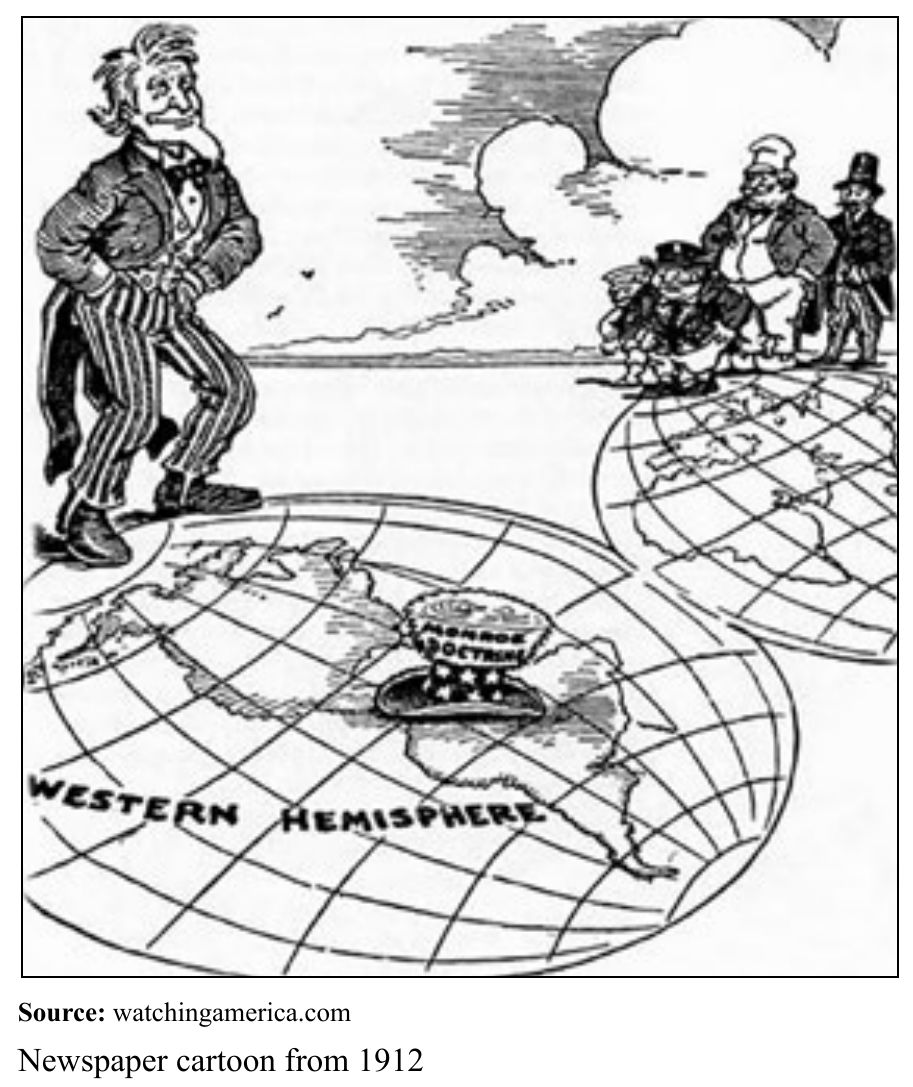
Think As a Historian: THINK AS A HISTORIAN: SITUATE THE MONROE DOCTRINE IN CONTEXT
Read more →
Reflect
REFLECT ON THE TOPIC ESSENTIAL QUESTION
1. In one to three paragraphs, describe the processes by which state power shifted in various parts of the world between 1750 and 1900.
AP Exam Practice
Start Practice →