Diseases Associated with Longevity
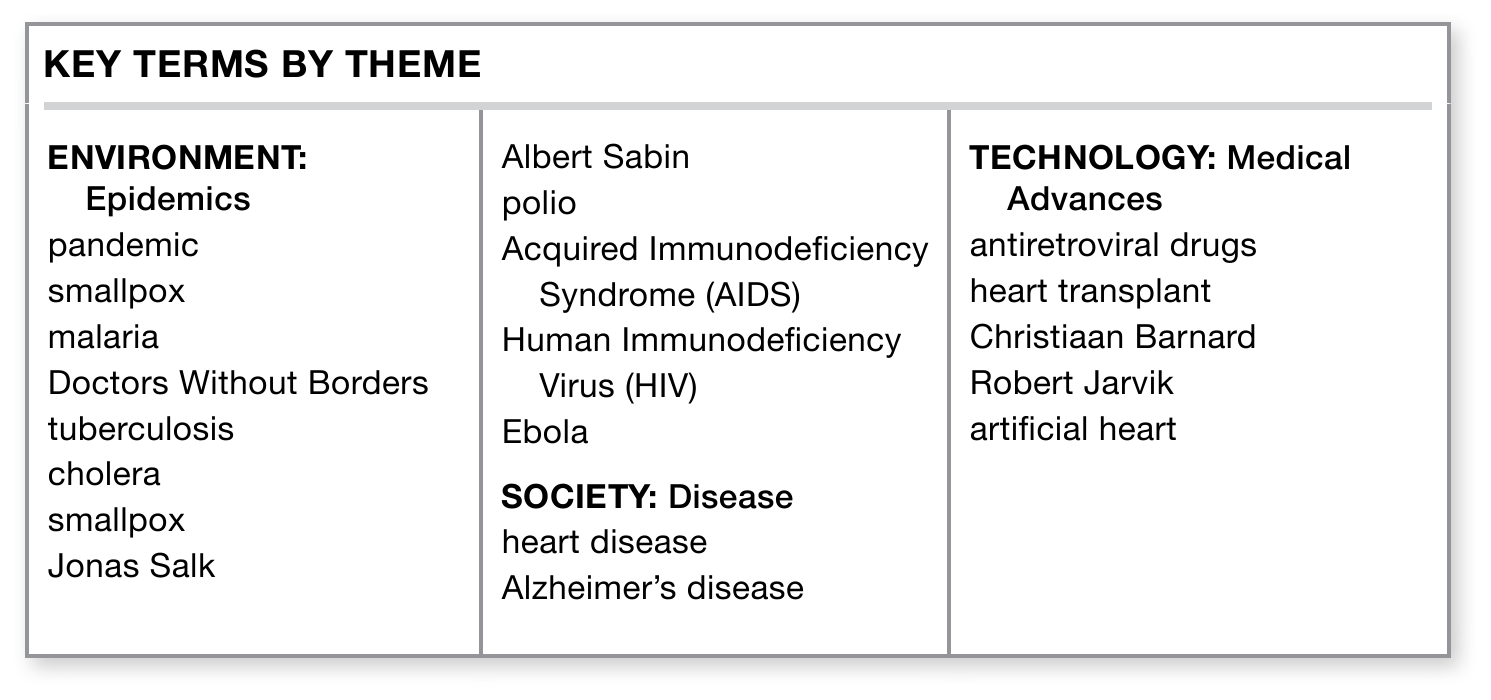
Heart Disease As longevity increases, diseases that typically do not develop until later in life began to assert themselves. Heart disease, for example, is associated with lifestyle, genetics, and increased longevity. One of the major discoveries in fighting heart disease was the heart transplant, first performed by the South African Christiaan Barnard in 1967. Robert Jarvik led a team that designed an artificial heart, used as a temporary device while the patient waited for a compatible human heart. Other researchers developed less invasive procedures: replacing valves, installing stents in arteries, replacing the vessels leading to the heart, and developing medications to reduce blood conditions that led to heart disease. In the 2000s, people with heart disease lived longer than similarly affected people did in the 1970s.
Alzheimer’s Disease As people lived longer, a form of dementia known as Alzheimer’s disease that affects elderly and some middle-aged people also became an increasing concern. Alzheimer’s patients progressively lose their memory, eventually leading to a stage in which they do not recognize their loved ones. Since the disease undermines bodily functions, it leads to death. Researchers continue to search for a cure.