Consequences of the Great War
As the 20th century began, most Europeans looked forward to a bright future. They expected a century of peace guaranteed by alliances, prosperity as a result of their colonial empires, and continued progress. All of that optimism was shattered on one fateful day in 1914.
Virtually every major event during the remainder of the 20th century was a direct or indirect result of World War I. The war led to the downfalls of four monarchies: Russia, Austria-Hungary, Germany, and the Ottoman Empire. It redrew the maps of Europe and the Middle East with the disintegration of Austro-Hungarian and Ottoman empires. Germany lost all its overseas colonies to various Allied nations, and the former Ottoman provinces of Iraq, Palestine, Syria, and Lebanon came under the control of Britain and France. But the war also led to the beginning of the end of colonialism.
New technologies made World War I the deadliest and most destructive war in human history. It disrupted European economies and had profound social consequences, including the rise of communism and fascism, colonial revolts, and genocide. There was a massive shift of power from Europe to the United States.
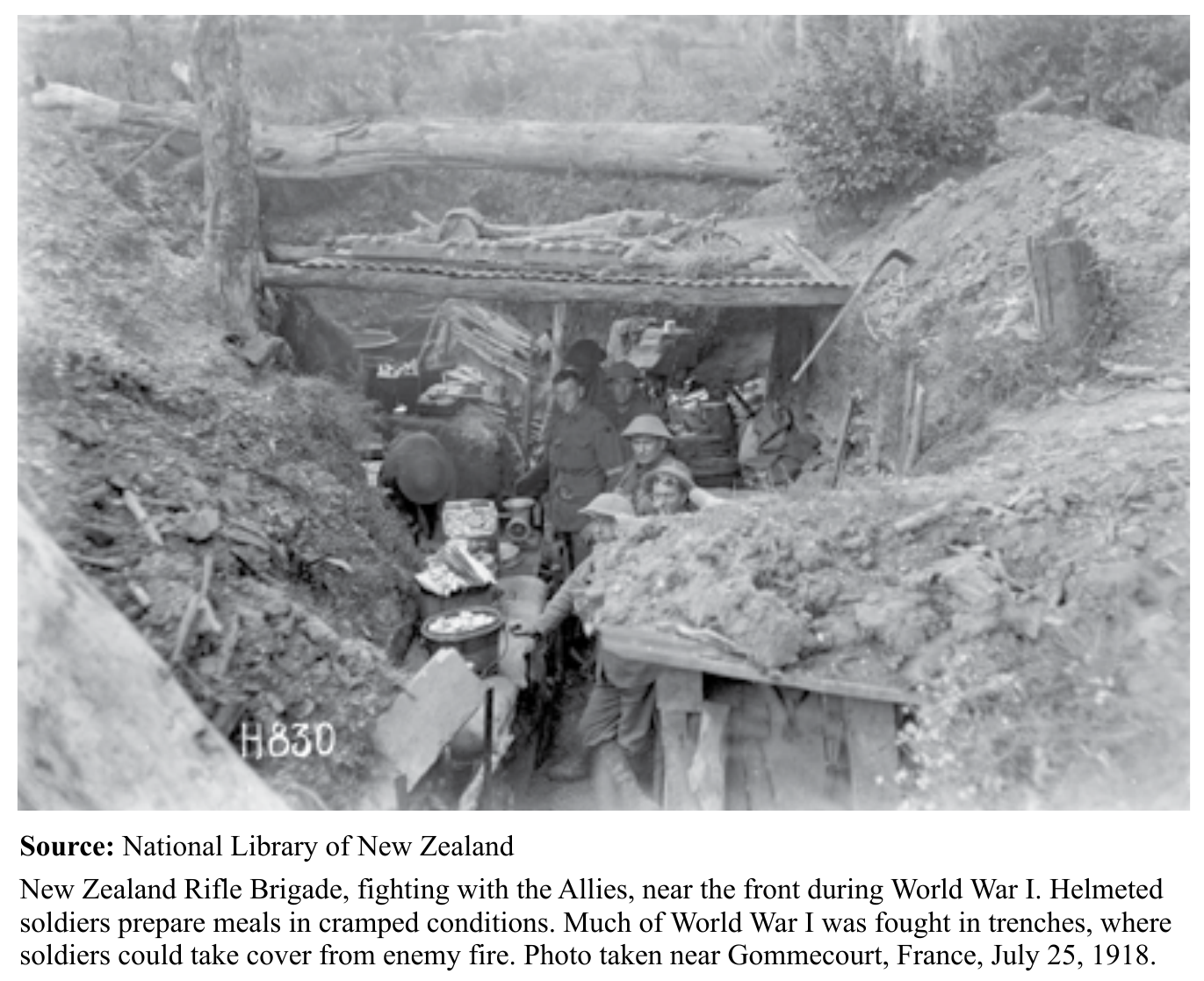
Germany was furious about the terms of the peace treaty. Germany was forced to take full blame for the war—although Austria-Hungary started it— and forced to agree to make reparations, impossibly large payments to its opponents to make up for their losses. The war that was to make the world safe for democracy instead gave rise to authoritarian regimes and an even greater world war.