Global Consumer and Popular Culture
In the 1920s, popular culture —the culture of everyday people rather than the educated elite—expressed itself through new media: radio and motion pictures. Radio, movies, and later television created a culture shared throughout a nation, and eventually throughout the world. Radio provided a variety of programs, from easy-going comedies to music hours featuring the latest in big band entertainment, and during World War II it played a vital role in national defense in most industrialized nations. Movies provided relief from the anxieties and pressures of the Great Depression while reflecting it in its themes. Charlie Chaplin’s “Little Tramp” character of silent movies epitomized the down and out.
Radio and television also ushered in the consumer culture that characterized much of the developed world after World War II. The “free” programming reaching into the homes of millions of people carried with it commercials for the products of sponsors. Industry turned from wartime production to the manufacture of consumer products, and people around the world were eager to buy. In the 1990s, the internet connected people around the globe.
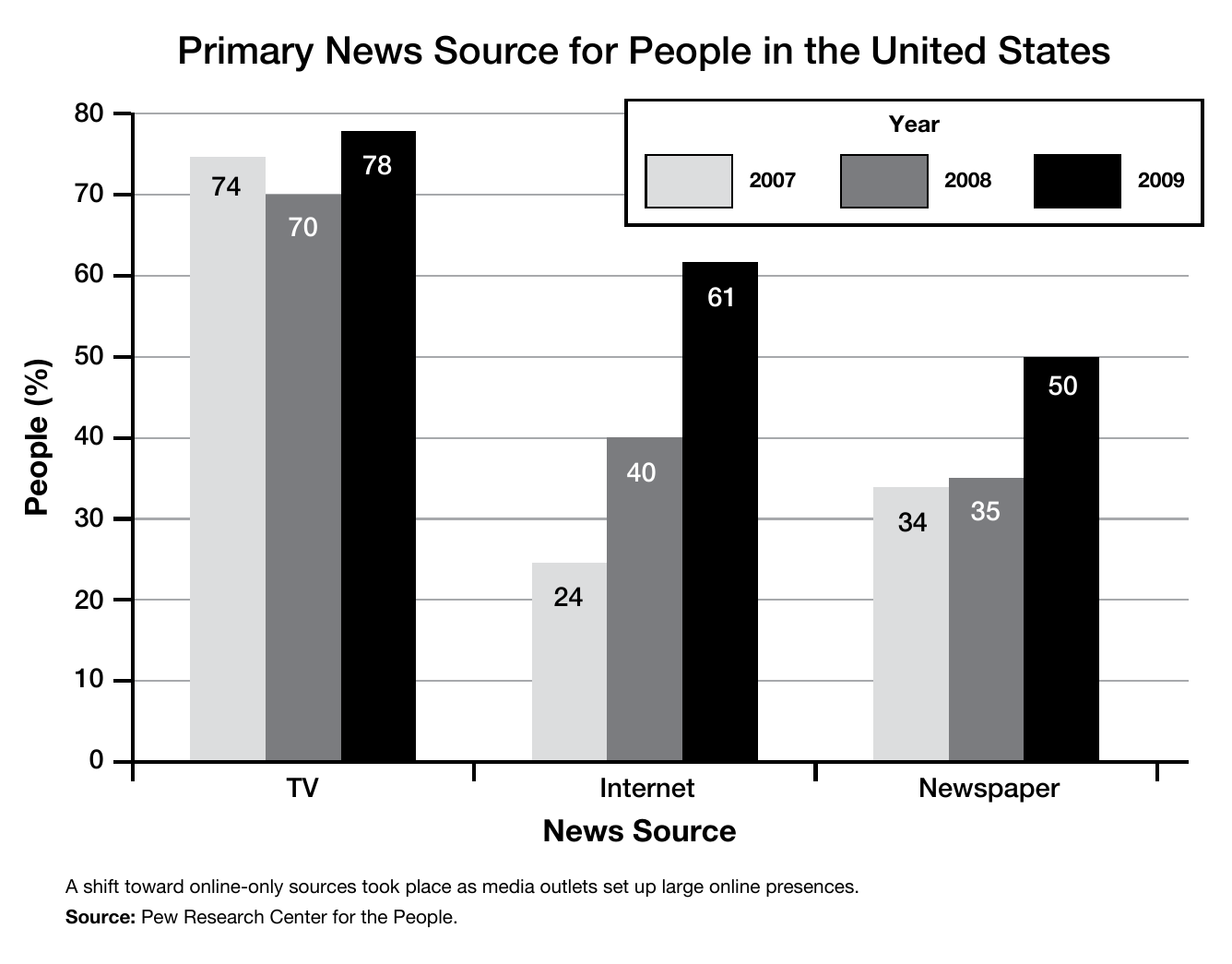
In the early 21st century, the United States remained the world’s most influential culture. Through Americanization, people the world over learned more about the United States than Americans learned about the rest of the world. This dominance of the United States created resentment among those who felt that American popular culture diluted their unique cultural identity. In the early 21st century, many people around the world considered American consumer culture to be throwaway culture. They objected to the waste and pollution that was part of the focus on newer, cheaper, more disposable products.
English Spreads and Changes Through the influence of the British Empire and through American movies, corporations, and scientific research, English became a second language in much of the world. In the early 21st century, about 300 million people in China were learning English—which was about the same as the population of the United States.
Many English-speaking corporations moved their call centers to India and the Philippines, where there were large numbers of fluent English speakers who would work for relatively low wages. As more people from other countries learned English, they spoke it in new ways. For example, Indian English included the word prepone, which meant the opposite of postpone.
Global Brands and Commerce As multinational corporations advertised and distributed their products, global brands such as Apple, Nike, and Rolex emerged. A company called Interbrand names the top global companies each year based on financial performance, ability to influence consumer choice, and ability to command a premium price. The 2018 winners included Toyota, which sells more cars than any other brand; tech giants Apple, Google, Amazon, Microsoft, and Facebook; and the company that famously announced its desire to “buy the world a Coke” in its 1971 multicultural commercial, Coca-Cola.
Online commerce makes shopping a global affair as well. Sites such as Amazon (in more than 17 countries) and Alibaba (mostly in Asia) make a massive selection of items available. The online auction site eBay operates in 30 different countries. Although their platform is international, these online retailers must pay a variety of sales taxes according to the laws of each country or state in which they sell products.(Connect: Write a paragraph comparing Americanization in the 21st century with assimilation in the 19th century. See Topic 6.3.)
Global Influences on Popular Culture Although the United States is still the dominant culture internationally, influences from other cultures have been welcomed in the United States and elsewhere. For example, Indian musicals made in Bollywood, the popular name given to the film industry in Bombay (Mumbai), enjoy popularity worldwide. Bollywood itself is a blend of film styles. India makes more films than any other country.
A style of Japanese hand-drawn animation known as anime became hugely influential. In 2016, 60 percent of the world’s animated TV shows were based on anime. Anime was introduced to American culture in the 1980s through the movie Akira. Television shows in the late 1990s, such as Pokeman and Dragon Ball, brought anime into the American mainstream.
Reggae music from Jamaica is global in both its origins and its popularity. It emerged in the 1960s, blending New Orleans jazz and rhythm and blues styles with mento, itself a fusion of African rhythms and European elements. It is associated with the Rastafari religion which promotes Pan-Africanism, the connectedness of all Africans whether they live in Africa or in the diaspora. It often blended with musical traditions of other countries as its popularity became global in the 1970s through the music of Bob Marley.
Another style of music that fused a variety of traditions and became a global hit was the Korean music nicknamed K-pop. Its artists, who sang in a mixture of Korean and English, became global stars in the early 21st century. Their popularity has also boosted the popularity of other South Korean exports. In fact they are considered so valuable that the government has invested in K-Pop concerts and tours. Internet-based streaming video sites such as YouTube and Vimeo helped popularize K-Pop and other musical styles with a global audience.
Social Media and Censorship Facebook, Twitter, Snapchat, and other forms of social media changed communication. They can inspire but also manipulate, as attested to by Malala Yousafzai, the Pakistani activist and the youngest Nobel Prize laureate. People debated their power for good or ill.
In some countries, such as China, the government banned social media from outside the country. However, China allowed its own forms of social media, including WeChat, Weibo, and YuKu. The government censored any criticism of the Communist Party that appeared on these platforms.
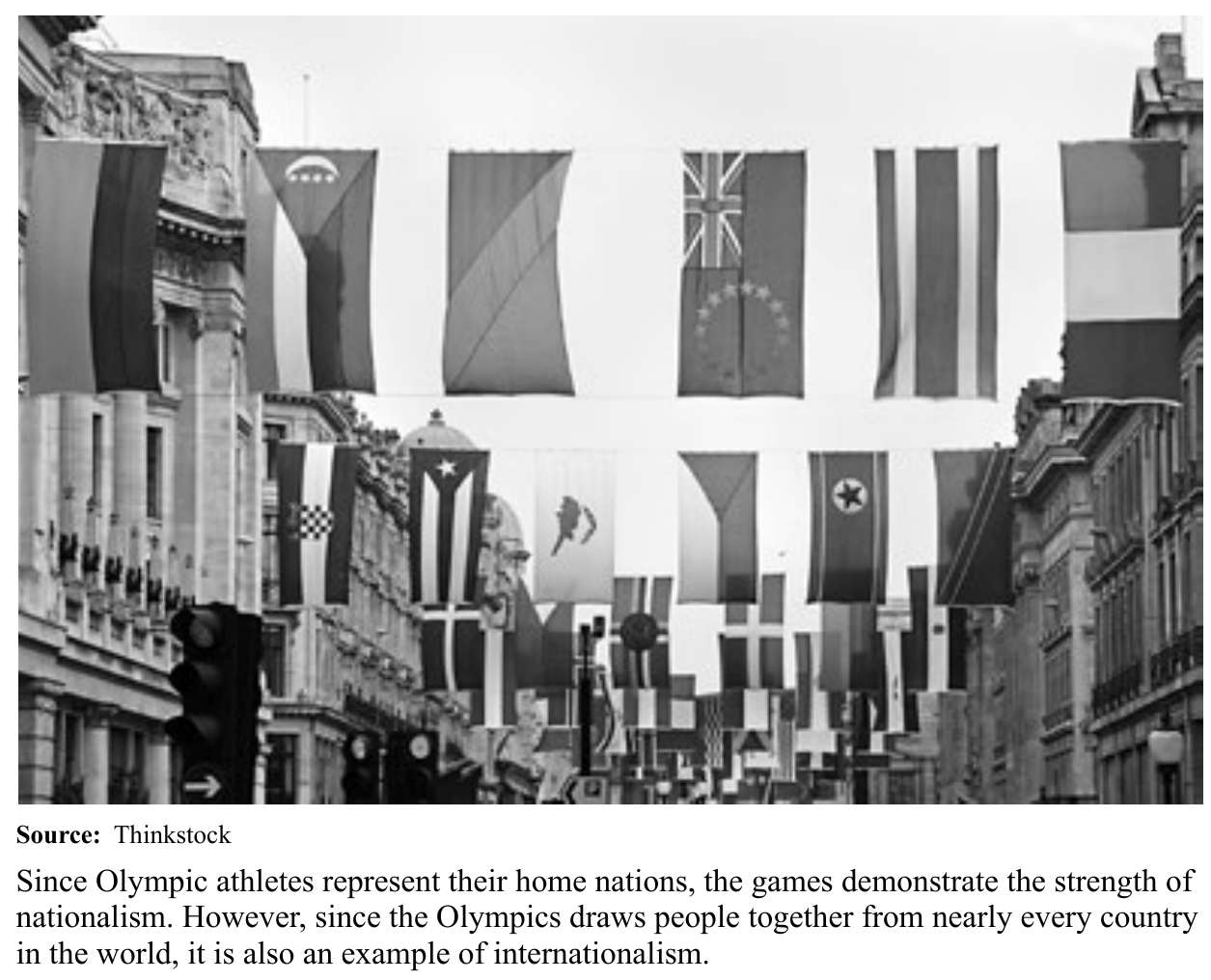
Global Culture in Sports The globalization of popular culture included sports as well. The establishment of the modern Olympic Games in 1896 reflected an early sense of internationalism. In 2016, the Olympics in Rio de Janeiro, Brazil, attracted about 3.6 billion viewers worldwide.
Soccer emerged as the most popular sport in the world, in part because it required so little equipment that it could be played almost anywhere. The World Cup soccer competition rivaled the Olympics as a global event. Basketball also became a global game, and players such as Michael Jordan and LeBron James became internationally known. In 2014, the National Basketball Association (NBA) included players from 30 countries or territories. In 2017, reporters from 35 countries covered the NBA Finals. In 2018, 27 percent of major league baseball players were foreign-born, from 21 different countries.
As sports became more popular globally, they also became more available to women. Some Muslim female athletes —including fencers, weightlifters, beach volleyball players, hockey players, and figure skaters—competed while wearing hijab, known in English as a headscarf. They adapted athletic wear so they could compete while following traditional Muslim practices regarding female modesty in clothing. Hajar Abulfazi, a soccer player from Afghanistan, explained that she wore the hijab to “show the next generation and their parents how Afghan women and girls can maintain respect for religion and culture while pursuing sports achievements.”